
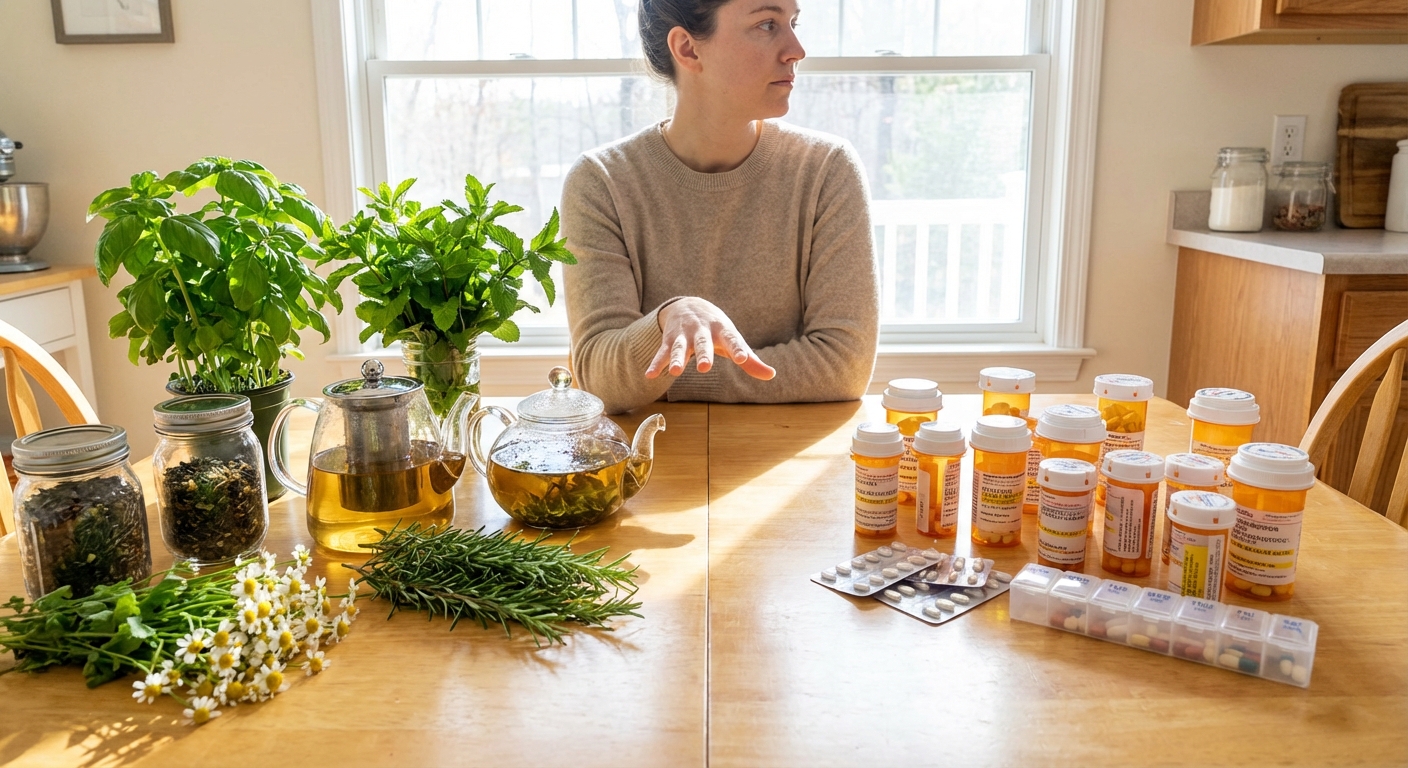
Many people feel stuck choosing between “all‑natural” and “pharmaceutical” whenever a health issue pops up. But the real question isn’t which side to pick—it’s when to use natural remedies, how they compare to conventional options, and where they work best together.
Natural Remedies vs. Conventional Pills: What Actually Works?
This energetic explainer breaks down the strengths and limits of each approach and offers five concrete ways to use natural remedies smartly—without ignoring the power of modern medicine.
How Conventional Pills Help—and Where They Fall Short
Conventional medicine shines in emergencies and acute situations:
- Severe infections
- Trauma or accidents
- Heart attacks and strokes
- Serious mental health crises
Here, fast‑acting drugs save lives—no herb can replace that.
But when it comes to everyday issues like low energy, chronic stress, mild digestive discomfort, or trouble sleeping, relying purely on pills often means:
- Addressing symptoms instead of root causes
- Potential side effects with long‑term use
- No support for lifestyle or underlying imbalances
This is where natural remedies can shine—especially as part of a prevention‑first lifestyle.
What Natural Remedies Do Differently
Natural remedies typically aim to:
- Support systems, not just silence symptoms (for example, calming the nervous system rather than just knocking you out for sleep).
- Nourish and rebalance, using nutrients, herbs, and routines to nudge you back toward equilibrium.
- Encourage self‑awareness, because you notice how food, stress, and habits change the way you feel.
They often work best when used consistently over time, rather than just as a one‑off quick fix.
Comparing Common Scenarios
Let’s look at a few everyday situations and how pills vs. natural remedies may play out.
1. Occasional Headache
- Pill approach: Over‑the‑counter painkillers (ibuprofen, acetaminophen). Fast relief, but no investigation of cause.
- Natural approach: Hydration, magnesium, peppermint oil or tea, tension‑relieving stretches, checking for triggers (screen strain, skipped meals, dehydration).
Best strategy? Use natural approaches first for mild tension headaches, and keep painkillers as backup if symptoms persist or worsen.
2. Trouble Sleeping
- Pill approach: Sleep medications or sedating antihistamines. They can knock you out but may impact sleep quality, cause grogginess, or build dependence.
- Natural approach: Sleep hygiene, consistent bedtime, magnesium, calming herbs like chamomile, valerian, or passionflower, light management (dark nights, bright mornings).
Best strategy? Go natural and lifestyle‑focused first, and consult a professional if insomnia is severe or long‑lasting.
3. Low Energy & Fatigue
- Pill approach: Caffeine, energy drinks, or sometimes stimulants.
- Natural approach: Nutrient‑dense food, adaptogenic herbs, breathwork, hydration, circadian rhythm support, stress reduction.
Best strategy? Focus on root causes with natural remedies, and see a practitioner to rule out anemia, thyroid issues, or other medical conditions.
5 Actionable Ways to Use Natural Remedies Wisely
You don’t need to “quit medicine” to embrace natural health. Here’s how to integrate the best of both worlds.
1. Start with Lifestyle + Herbs for Mild Issues
For non‑emergency issues like:
- Occasional bloating
- Mild stress or tension
- Sleep struggles
- Afternoon crashes
Try natural remedies as your first line: herbal teas, breathwork, stretching, and nutrient support.
Example: Instead of taking a pill the instant you can’t fall asleep, begin with a ritual: magnesium, chamomile tea, and 10 minutes away from screens.
2. Use Food as a Daily “Prescription”
Food is the most underused natural remedy.
Focus on:
- Protein at each meal to stabilize blood sugar.
- Healthy fats (olive oil, nuts, seeds, avocado) for hormone and brain function.
- Colorful plants (berries, leafy greens, herbs, spices) for antioxidants and anti‑inflammatory support.
Even if you use medications, this style of eating supports your system and can improve how you feel day‑to‑day.
3. Build a Small, Targeted Herbal Routine
You don’t need a cupboard full of tinctures. Pick remedies that match your main needs:
- For stress and stamina: Ashwagandha or rhodiola (adaptogens)
- For digestion: Ginger, peppermint, fennel
- For sleep: Chamomile, lemon balm, passionflower
Use one or two herbs consistently for 4–6 weeks and track your sleep, mood, and energy in a simple journal.
Always check interactions if you take medications or have health conditions.
4. Use Breathwork as an “Instant Switch”
Where pills might give you a fast change in how you feel, breathwork can often do the same—especially for anxiety, overwhelm, or low concentration.
Try the box breathing method for 3–5 minutes:
- Inhale for 4 seconds.
- Hold for 4 seconds.
- Exhale for 4 seconds.
- Hold empty for 4 seconds.
This simple pattern can calm your nervous system within minutes and is completely natural, free, and portable.
5. Save Pills for When You Really Need Them
Instead of reaching for medication automatically:
Pause and ask, “Is this urgent, or can I try a natural step first?”
2. For non‑urgent situations, use quick natural strategies: hydration, herbal teas, stretching, breathwork, or a walk in fresh air. 3. If symptoms are severe, persistent, or worrying, get medical help immediately—natural remedies are not a substitute for proper diagnosis and treatment.
This approach preserves the power of medications for when they’re truly needed while building resilience with natural tools every day.
5 Quick Tips to Boost Vitality Using Nature (Without Ditching Medicine)
Here’s a rapid‑fire checklist to put this into action:
- Upgrade breakfast with protein and plants instead of sugary cereals or just coffee.
- Swap one pill a week (for mild issues) for a natural remedy like herbal tea, breathwork, or a compress—where appropriate.
- Take a 10‑minute light walk outdoors most mornings to support hormones and mood.
- Create a 3‑item herbal toolkit: one calming herb, one digestion herb, one adaptogen.
- Track one symptom (sleep, stress, digestion, or energy) while testing natural remedies for 2–4 weeks.
It’s Not Herbs vs. Pills—it’s You Plus Both
You don’t have to choose a team. The strongest approach is integrative: using the precision and power of conventional medicine when needed, and the gentle, balancing force of natural remedies to build long‑term vitality.
When you understand what each tool is best at, you’re no longer a passive patient—you become an active partner in your own health.