
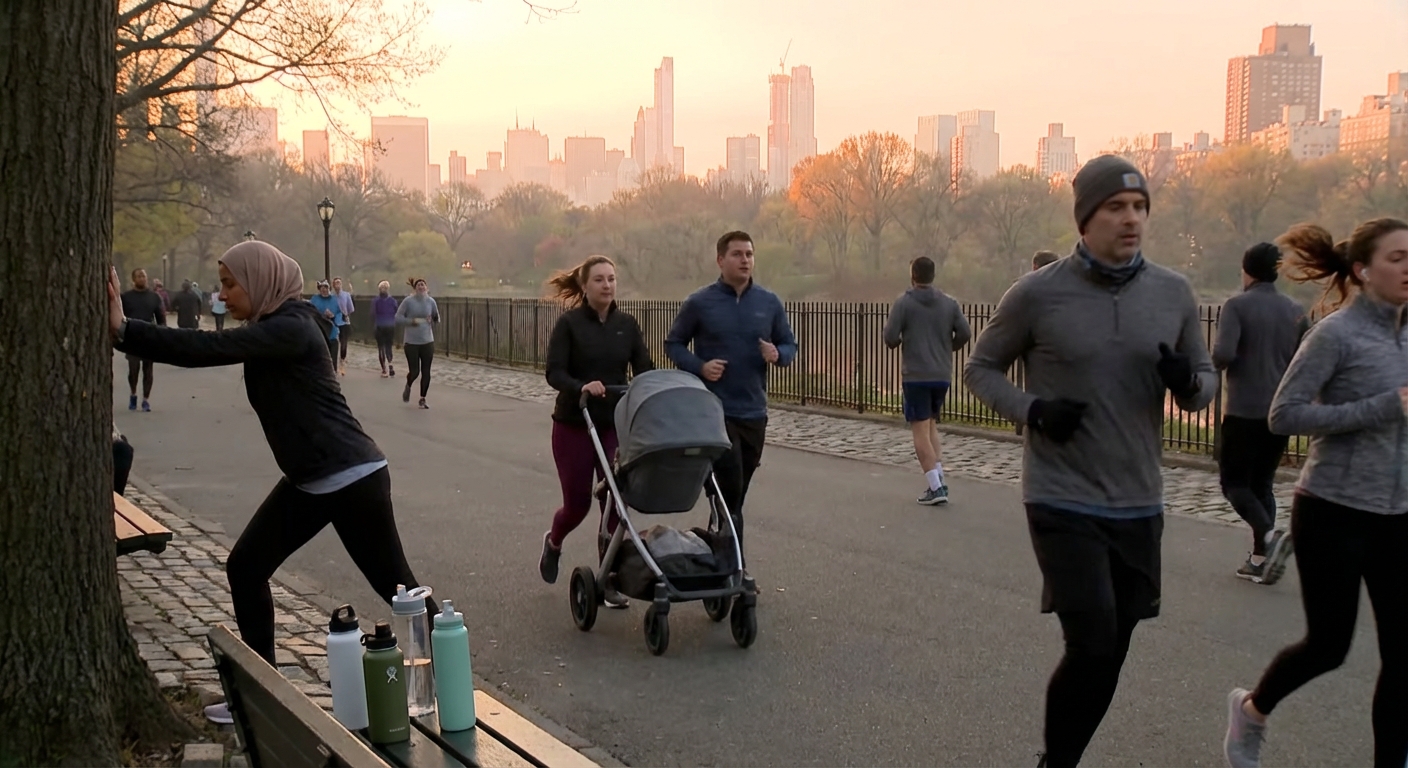
You don’t need a six-pack, a personal trainer, or a gym membership to be fit. What you do need is a clear plan, consistent action, and the mindset of an “everyday athlete” — someone who trains for real life: lifting groceries, climbing stairs, carrying kids, staying sharp and energized.
Why Becoming an “Everyday Athlete” Changes Everything
Fitness isn’t about perfection. It’s about progress you can feel:
- Better sleep
- Steadier energy
- Fewer aches
- Stronger mood and focus
This blueprint is built for busy, real-world schedules. No extreme rules, no rigid routines — just practical steps that make your body work better, not just look better.
The Foundations of Everyday Fitness
Think of your fitness as a table with four legs:
Movement – how often and how well you move
Strength – how much force your muscles can generate
Recovery – how well you rest and repair
Fuel – what and when you eat
If one leg is wobbly, the whole table gets unstable. The goal isn’t perfection in each area; it’s balance.
Movement: Sit Less, Move More (in Small Doses)
You don’t have to chase huge workouts. You just have to break up your stillness.
- Long sitting slows circulation
- Tight hips and weak glutes steal your power and posture
- Energy dips harder when you barely move all day
Aim for movement snacks: short bursts of activity spread through your day.
A Simple Weekly Fitness Framework
Here’s a realistic structure you can adapt:
- 2–3 strength sessions (20–40 minutes)
- 2–3 cardio sessions (20–30 minutes)
- Daily mobility (5–10 minutes)
- Low-effort walking most days
You can layer these into a busy life.
Example Weekly Layout
- Monday – Strength + 10-minute walk
- Tuesday – Cardio + mobility
- Wednesday – Strength + light stretching
- Thursday – Cardio (walk, bike, or jog)
- Friday – Strength + mobility
- Weekend – Longer walk, hike, or active play
You’re not chasing extremes. You’re building a body that’s ready for anything.
5 Actionable Tips to Boost Vitality and Wellness Naturally
1. Turn Daily Chores Into Mini Workouts
You already move during the day; upgrade that motion into intentional movement.
How to do it:
- Take the stairs and climb them with purpose — drive through your heels, stand tall.
- When carrying groceries, split the load and farmer’s walk them in with strong posture.
- Brush your teeth while holding a light squat or doing calf raises.
Why it works: These tiny strength and posture boosts add up, increasing muscle recruitment, circulation, and calorie burn without needing extra time.
2. Use the 5-Minute Movement Rule
On days when motivation is low, long workouts feel impossible. Shrink the barrier.
The rule: Commit to just five minutes of movement.
Try this quick circuit:
- 1 minute marching in place
- 1 minute bodyweight squats
- 1 minute wall push-ups
- 1 minute glute bridges
- 1 minute gentle stretching
If you feel like continuing, great. If not, you still moved.
Why it works: Five minutes is mentally easy to start, and starting is usually the hardest part. Over time, these mini sessions maintain consistency, protect joints, and support heart health.
3. Prioritize Strength Training for Metabolic Power
If you only have time for one kind of training, strength training gives the biggest return:
- Builds muscle (your metabolic engine)
- Protects bones and joints
- Improves insulin sensitivity and blood sugar control
Beginner-friendly routine (2–3x per week):
Do 2–3 sets of 8–12 reps each:
- Squats or chair sit-to-stands
- Push-ups (wall, counter, or floor)
- Hip hinges or deadlifts (with a backpack or dumbbells)
- Bent-over rows (bands or weights)
- Plank holds (10–30 seconds)
Rest 30–60 seconds between sets. Focus on slow, controlled movements.
Why it works: You’re training your whole body to work as a unit, building real-life strength that makes everything easier: lifting, walking, climbing, and even standing tall.
4. Sync Your Movement With Your Circadian Rhythm
Your body loves rhythm. Aligning your activity with your internal clock boosts energy and recovery.
Try this natural flow:
- Morning: Light movement (walk, mobility, stretching) to wake the nervous system and clear brain fog.
- Midday: Higher-intensity work (strength or cardio) when body temperature and reaction time peak.
- Evening: Gentle walks and stretching to downshift into better sleep.
Why it works: Movement acts like a reset button for your body clock, helping hormones, digestion, and mental focus follow a more natural pattern.
5. Hydrate and Mineral-Boost Your Day
Fitness isn’t just about muscles; it’s about the chemistry that powers them.
Hydration tactics:
- Start your morning with 1 glass of water before caffeine.
- Aim for a glass of water with each meal and snack.
- Add a pinch of sea salt and a squeeze of lemon to one glass a day for natural electrolytes (if you don’t have blood pressure or sodium restrictions).
Why it works: Even mild dehydration can:
- Decrease strength and endurance
- Trigger headaches and fatigue
- Disrupt focus and mood
Hydrated muscles and nerves contract more efficiently, keeping workouts safer and more effective.
Recovery: The Hidden Fitness Multiplier
Rest days aren’t lazy days — they’re growth days. When you sleep and rest:
- Muscles repair and get stronger
- Hormones rebalance
- Your brain consolidates new movement patterns
Practical recovery practices:
- Aim for 7–9 hours of sleep most nights
- Do 5–10 minutes of stretching before bed, especially hips, chest, and hamstrings
- Take at least one lighter day per week, focusing on slow walking, mobility, or yoga
Fueling Your Everyday Athlete Body
You don’t need a perfect diet; you need a supportive one.
Focus on:
- Protein at most meals to support muscle (eggs, fish, beans, lentils, yogurt, tofu)
- Colorful plants for antioxidants that reduce exercise-related inflammation
- Healthy fats (olive oil, nuts, seeds, avocado) for joint and brain health
A simple rule of thumb for main meals:
- 1–2 palm-sized portions of protein
- 1–2 fist-sized portions of vegetables
- 1 cupped-hand of whole grains or starchy carbs (if tolerated)
- 1 thumb of healthy fat
Making Fitness a Natural Part of Your Identity
The real win isn’t just fitter muscles; it’s a new identity: “I’m someone who moves.”
To lock that in:
- Set tiny, specific goals: “10-minute walk after lunch” beats “get fit”.
- Track streaks, not perfection: celebrate how often you show up, not how intense it is.
- Anchor workouts to existing habits: after coffee, before shower, during lunch break.
Momentum beats motivation. Once you start living like an everyday athlete, fitness stops being a chore and becomes your natural state.
Your body is ready to respond. Start small, stay consistent, and let your vitality build session by session.