
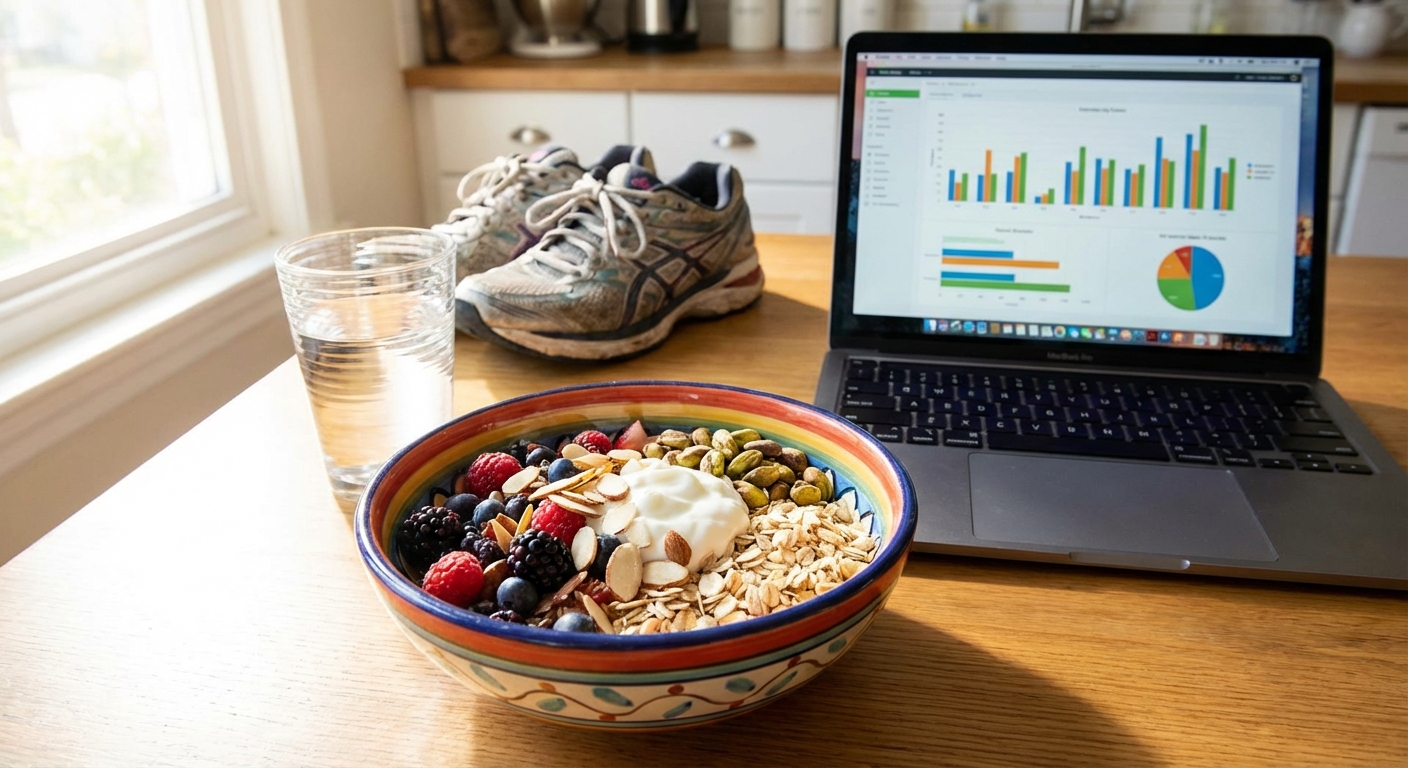
If you constantly feel tired, foggy, or wired-but-exhausted, your body isn’t just asking for more sleep—it’s asking for better fuel. Nutrition isn’t only about calories; it’s about information. Every bite tells your body how to perform, repair, and feel.
Why Your Energy Starts On Your Plate
In this guide, we’ll break down how food impacts your energy systems and how to build eating habits that keep you energized, focused, and resilient all day long.
The Energy Trifecta: Balance, Quality, and Timing
1. Balance: Macronutrients That Work Together
Your body runs on three main macronutrients:
- Carbohydrates – Your body’s preferred quick energy source.
- Protein – Supports muscle repair, hormones, enzymes, and satiety.
- Fats – Long-lasting fuel, crucial for brain and hormone health.
For stable energy, focus on balanced meals that include all three. A useful template:
- ½ plate: colorful vegetables or some fruit
- ¼ plate: high-fiber carbs (quinoa, oats, brown rice, sweet potato, beans)
- ¼ plate: lean protein (eggs, fish, tofu, lentils, chicken)
- 1–2 thumbs of healthy fat (avocado, nuts, seeds, olive oil)
This combination slows digestion, prevents blood sugar spikes and crashes, and helps you feel energized for hours.
2. Quality: Nutrient Density Over Empty Calories
Not all calories are equal in impact.
- High-quality foods: vegetables, fruits, whole grains, legumes, nuts, seeds, eggs, fish, minimally processed meats
- Low-quality foods: sugary snacks, refined white flour products, deep-fried foods, soda, ultra-processed packaged snacks
High-quality foods are nutrient-dense—they deliver vitamins, minerals, fiber, and antioxidants that your cells use to produce energy and fight inflammation.
3. Timing: Feed Your Body When It Needs It
Your body’s energy rhythms respond to when and how often you eat:
- Long gaps with nothing but coffee can trigger energy crashes and cravings.
- Constant snacking on refined carbs leads to roller-coaster blood sugar.
Many people feel best with 3 balanced meals and 1 small, strategic snack if needed—especially around workouts or long workdays.
5 Actionable Tips to Naturally Boost Vitality and Wellness
Tip 1: Build a “Power Breakfast” (or First Meal) for Stable Energy
Skipping breakfast and surviving on caffeine is a fast track to mid-morning burnout. Instead, aim for a protein-rich, fiber-filled breakfast that sets your blood sugar on a stable path.
Try one of these combos:
- Greek yogurt bowl with berries, chia seeds, and a handful of nuts
- Veggie omelet with spinach, mushrooms, and a side of avocado + whole grain toast
- Overnight oats with rolled oats, milk or plant milk, ground flax, cinnamon, and sliced apple
Why it works: Protein + fiber + healthy fats = slower digestion, less craving, and longer-lasting energy.
Tip 2: Hydrate Like It Matters (Because It Does)
Even mild dehydration (1–2% of body weight) can reduce mental clarity, mood, and physical performance.
Aim for roughly 2–3 liters of water per day, adjusting for body size, climate, and activity. Not a fan of plain water? Boost it naturally:
- Add lemon, cucumber, or mint slices.
- Drink herbal teas (peppermint, ginger, rooibos).
- Eat water-rich foods: cucumber, watermelon, oranges, celery.
Energy upgrade habit: Start your day with 1–2 glasses of water before coffee. This simple shift can improve digestion, focus, and morning energy.
Tip 3: Tame the Sugar Roller Coaster
Sugar is sneaky. It hides in flavored yogurts, sauces, cereals, “healthy” bars, and drinks. The problem isn’t natural sugars in whole fruit—it’s added sugars and refined carbs that digest too quickly.
These can trigger:
- Rapid blood sugar spikes → short burst of energy
- Fast crashes → fatigue, irritability, cravings
Try this simple strategy:
- Check labels for added sugars (words like sucrose, corn syrup, dextrose, maltose, cane sugar).
- Swap sugary drinks for sparkling water with citrus or unsweetened iced tea.
- When eating something sweet, pair it with protein or fat (e.g., fruit + nuts) to slow absorption.
Goal: Make sweets occasional, intentional, and enjoyed—not a default energy crutch.
Tip 4: Eat the Rainbow for Mitochondrial Power
Your mitochondria—the “power plants” of your cells—depend on vitamins, minerals, and antioxidants found in colorful plants.
Different colors = different protective compounds:
- Red (tomatoes, strawberries, beets) – lycopene, anthocyanins
- Orange/Yellow (carrots, squash, mango) – beta-carotene, vitamin C
- Green (spinach, kale, broccoli) – folate, magnesium, chlorophyll
- Blue/Purple (blueberries, purple cabbage, grapes) – powerful antioxidants for brain health
Action step: Aim for at least 3 different colors at each main meal. Think:
- Salad with mixed greens, red peppers, carrots, purple cabbage
- Stir-fry with broccoli, snap peas, carrots, and mushrooms
- Grain bowl with quinoa, roasted sweet potato, black beans, avocado, and salsa
Over time, this diversity floods your system with the raw materials needed for steady energy and long-term health.
Tip 5: Upgrade Snacks to Support, Not Sabotage, Your Energy
Snacks can either stabilize your energy or wreck it. The key: combine protein + fiber + healthy fat when you can.
Try these energy-sustaining options:
- Apple slices + almond butter
- Carrot sticks + hummus
- Handful of nuts + a few dried apricots
- Cottage cheese or Greek yogurt + berries
- Whole grain crackers + guacamole or bean dip
Bonus habit: Ask yourself, “Am I hungry or just bored/stressed/tired?” If it’s not real hunger, try water, a stretch, or a 5-minute walk first.
Putting It All Together: A Sample Energy Day
Here’s how a balanced, energy-focused day might look:
- Upon waking: 1–2 glasses of water
- Breakfast: Veggie omelet with avocado + whole grain toast; herbal tea
- Mid-morning: Water; optional snack of fruit + handful of nuts
- Lunch: Grain bowl with quinoa, mixed roasted veggies, chickpeas, and tahini dressing
- Afternoon: Sparkling water with lemon; carrot sticks + hummus if hungry
- Dinner: Baked salmon (or tofu), roasted sweet potatoes, and a big mixed-color salad
- Evening: Herbal tea; if needed, a small protein-rich snack (like yogurt) instead of sugary desserts
Your Energy Is a Daily Choice
Energy isn’t just luck or genetics; it’s built meal by meal, day by day. When you:
- Balance macronutrients
- Prioritize real, colorful foods
- Stay hydrated
- Tame sugar spikes
- Snack smart
…you send a powerful message to your body: perform, repair, and thrive.
Start with just one or two tips from this guide. Once they feel natural, layer in another. Consistency beats perfection every time—your future, more energized self will thank you.