
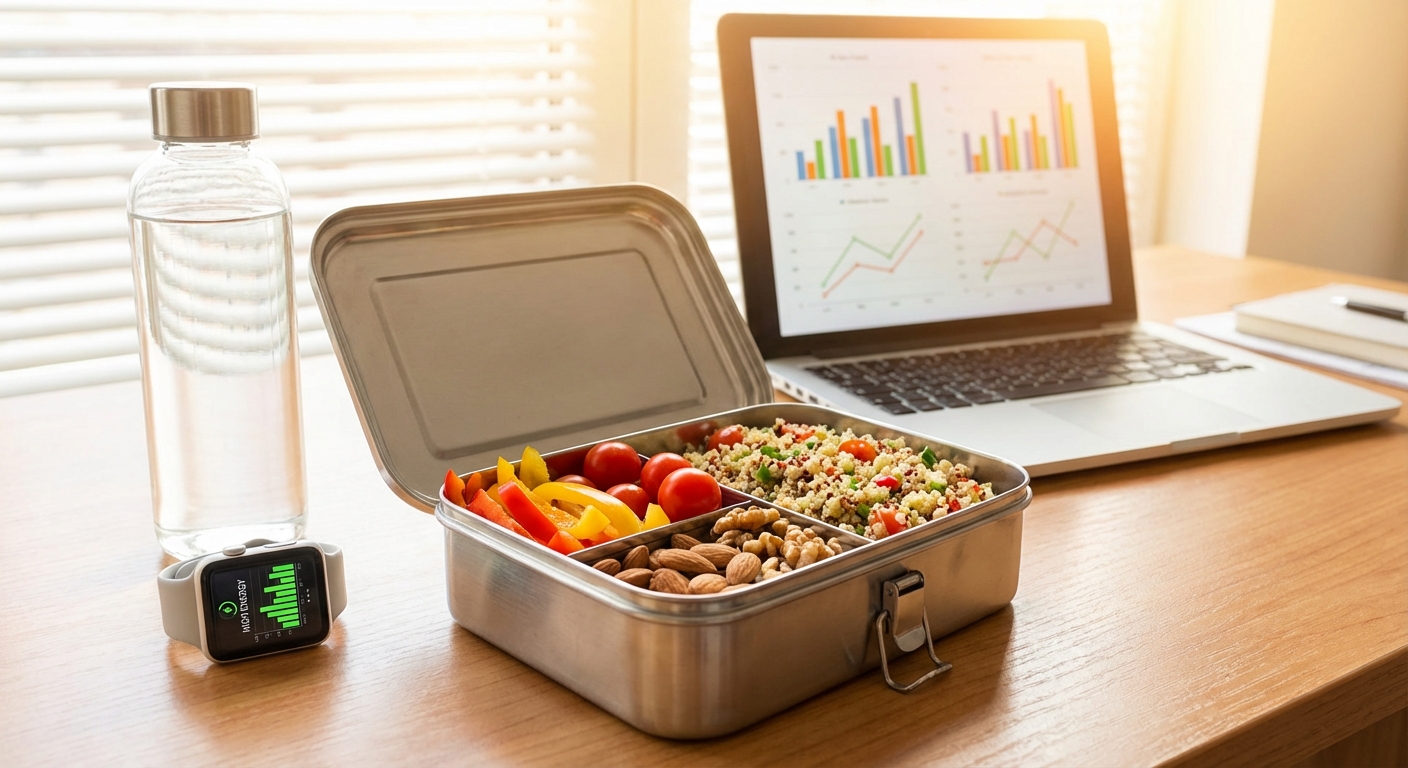
If you wake up tired, hit a 3 p.m. wall, or feel wired at night but exhausted in the morning, your body isn’t just “getting older” or “busy” — it’s asking for better fuel.
Why Your Energy Has Everything To Do With Nutrition
Food is not just calories; it’s information. Every bite sends a message to your cells: build energy, store fat, fight inflammation, or repair. The right nutrition habits can turn your body into an efficient, steady energy machine instead of a rollercoaster of highs and crashes.
This guide breaks down how nutrition drives vitality and gives you simple, science-backed ways to feel more energized — without relying on caffeine overload.
The Energy Trifecta: Carbs, Protein, and Fat
Your body runs on three main macronutrients:
- Carbohydrates – Your body’s preferred quick fuel. Think of them as the kindling that starts the fire.
- Protein – Supports muscles, hormones, enzymes, and satiety. It’s the structure and maintenance crew.
- Fats – Longer-lasting fuel and critical for hormones, brain health, and nutrient absorption.
The trick is not to cut one out completely, but to balance them smartly so your blood sugar stays stable and your energy doesn’t crash.
Fast-burning carbs from pastries, candy, and sugary drinks spike your blood sugar, causing a quick burst of energy followed by a hard crash. Pairing carbs with protein and healthy fats slows digestion, delivering smoother, longer-lasting energy.
Micronutrients: The Hidden Power Players
Vitamins and minerals don’t give you calories, but they unlock the ability to use energy properly.
- B vitamins (B1, B2, B6, B12, folate) help convert food into cellular energy.
- Iron carries oxygen in your blood. Low iron = low stamina.
- Magnesium is involved in hundreds of reactions, including muscle and nerve function.
- Vitamin C & E help combat oxidative stress that can drain your energy over time.
A diverse, colorful diet is the most natural way to cover these bases.
Hydration: The Simplest Energy Upgrade
Even mild dehydration can cause fatigue, headaches, and brain fog. Your blood thickens slightly when you’re dehydrated, which makes your heart work harder — no wonder you feel tired.
Aim for clear to pale-yellow urine most of the day as a simple hydration check. Water, herbal teas, and water-rich foods (like cucumbers, oranges, and berries) all count.
5 Actionable Nutrition Tips to Boost Vitality Naturally
Below are five practical strategies you can start using today to feel more energized and balanced, naturally.
1. Build “Energy Plates” at Every Meal
Instead of counting calories, design your plate for stable energy:
- ½ plate: colorful vegetables (leafy greens, peppers, broccoli, carrots, etc.)
- ¼ plate: lean protein (eggs, tofu, chicken, fish, lentils, Greek yogurt)
- ¼ plate: slow carbs (quinoa, oats, beans, sweet potatoes, brown rice)
- 1–2 tbsp: healthy fats (olive oil, avocado, nuts, seeds)
This combination slows digestion, stabilizes blood sugar, and provides fiber, vitamins, and minerals.
Try this: For lunch, build a bowl with mixed greens, roasted sweet potatoes, chickpeas, grilled chicken or tempeh, a sprinkle of pumpkin seeds, and an olive-oil–lemon dressing.
2. Tame the Sugar Rollercoaster
You don’t have to swear off sweetness forever, but you do want to avoid the exhausting spike-and-crash cycle.
Practical ways to level out your blood sugar:
- Eat fiber first. Start meals with a salad or veggie side. Fiber slows down how quickly sugar hits your bloodstream.
- Add protein to sweet snacks. Pair fruit with nuts, yogurt, or cheese instead of eating it alone.
- Swap refined sweets for natural options. Choose dark chocolate (70%+ cacao) or dates with nut butter instead of candy.
- Reserve sugary drinks for rare treats. Most people underestimate how quickly liquid sugar drains energy.
Notice how you feel when you trade a sugary breakfast pastry for an omelet with veggies and avocado or Greek yogurt with berries and nuts — your afternoon self will thank you.
3. Hydrate With Intention
Waiting until you’re thirsty is usually too late. Build hydration into your routine.
Try these strategies:
- Start your day with 1 glass of water before coffee.
- Keep a bottle within arm’s reach at your desk and in your bag.
- Add natural flavor (lemon, cucumber, mint, or berries) if plain water bores you.
- Use a “per meal” rule: drink a glass with every meal and snack.
Aim for about 1.5–2 liters per day for many adults, adjusting for heat, activity, and body size.
4. Time Your Caffeine to Work With You, Not Against You
Caffeine can be a helpful tool — or a crutch that disrupts sleep and deepens fatigue.
To use it wisely:
- Wait 60–90 minutes after waking before your first coffee so your natural cortisol rhythm can rise on its own.
- Cap caffeine by early afternoon to protect deep sleep (usually no caffeine after 2–3 p.m.).
- Avoid sugary coffee drinks loaded with syrups and whipped cream; they often cause energy crashes.
- Drink water alongside caffeine to counteract its mild diuretic effect.
Better sleep = better hormonal balance, appetite regulation, and energy production.
5. Upgrade Just One Snack Per Day
Small, consistent upgrades compound over time. Instead of trying to overhaul your whole diet at once, focus on transforming one snack into a “vitality snack.”
Swap:
- Chips → Apple slices + almond butter
- Candy bar → Handful of mixed nuts + a few dark chocolate squares
- Plain crackers → Hummus + carrot sticks or cucumber slices
- Sugary yogurt → Plain Greek yogurt + berries + cinnamon
These options combine fiber, protein, and healthy fats, keeping you satisfied and energized between meals.
Listening to Your Body’s Feedback
Nutrition isn’t one-size-fits-all. Your energy, digestion, mood, and sleep are powerful feedback signals.
Track for a week:
- What you eat
- How your energy feels 1–3 hours after meals
- Any cravings or crashes
Look for patterns. Do heavy, processed meals knock you out? Do balanced plates keep you clear and steady? Use this as a personal roadmap to refine your choices.
The Long Game: Nutrition as Daily Maintenance, Not a 7‑Day Fix
Vitality doesn’t come from a detox, cleanse, or miracle supplement. It comes from daily, repeatable habits:
- Building balanced plates
- Limiting sugar spikes
- Prioritizing hydration
- Respecting your caffeine and sleep cycles
- Choosing energizing snacks
Each choice sends a signal to your body: either toward exhaustion or toward energy.
Start with one or two of the tips above. As those become automatic, layer in another. Your body will respond — with clearer focus, steadier moods, and genuine all-day energy.
That’s the power of nutrition when you use it to fuel, not just feed, your life.